
How to Set Up a Small-Shop Heat Treating Station with a Hot Shot Oven
If you already know you need a heat treating oven, the next question usually is not which category should I buy?
It is usually something more practical:
How do I build a setup that works smoothly in a real shop, without wasting space, creating safety headaches, or slowing down my process?
That is where a small-shop planning approach matters.
For Canadian makers working with blades, tooling, metal parts, or other precision projects, a Hot Shot oven can become the core of a compact, efficient heat treating station. The key is to think beyond the oven itself and plan the full workflow around it.
If you are researching a heat treating oven setup in Canada, here is how to build a station that feels organized, repeatable, and ready for everyday use.
Start With the Jobs Your Heat Treating Station Needs to Handle
Before you think about bench layout or accessories, step back and define what the station actually needs to do.
That sounds obvious, but it is the easiest way to avoid a setup that looks good on paper and feels awkward in real life.
A knife maker may need a station built around:
-
repeatable heat treat cycles
-
room to load and unload longer blades safely
-
space for quench tools and post-cycle handling
-
a layout that supports small-batch work without congestion
A small fabrication or machine shop may care more about:
-
consistent thermal processing
-
predictable daily workflow
-
easy access for repeated jobs
-
a footprint that does not interfere with other benches or machines
The point is simple: your heat treating station should be built around the way you actually work, not just around the oven dimensions.
That is one reason the Hot Shot Ovens & Kilns lineup is appealing. Toews Power positions these units for multiple applications, including knife work, glass, ceramics, and other precision thermal processing, which gives buyers options for matching the setup to the work.

Plan Bench Space, Clearance, and Loading Room First
In a small shop, space problems show up fast.
A heat treating oven may technically fit on the bench, but if you do not leave room to open the door, load parts comfortably, or move around the station safely, the setup becomes frustrating almost immediately.
When planning a small shop heat treat oven area, think through three kinds of space:
Bench footprint
Make sure the bench or stand is strong, stable, and large enough for the unit you are considering. You also want enough surrounding surface area for tools, staging, and short-term handling.
Door and loading clearance
You need room in front of the oven to load and unload work without twisting awkwardly or crowding other equipment. This matters even more if you are working with longer blades or repeated batches.
Operator movement
Do not plan the oven station in isolation. Think about how you walk up to it, where you set parts down, and how the station relates to quench tanks, worktables, carts, or other nearby gear.
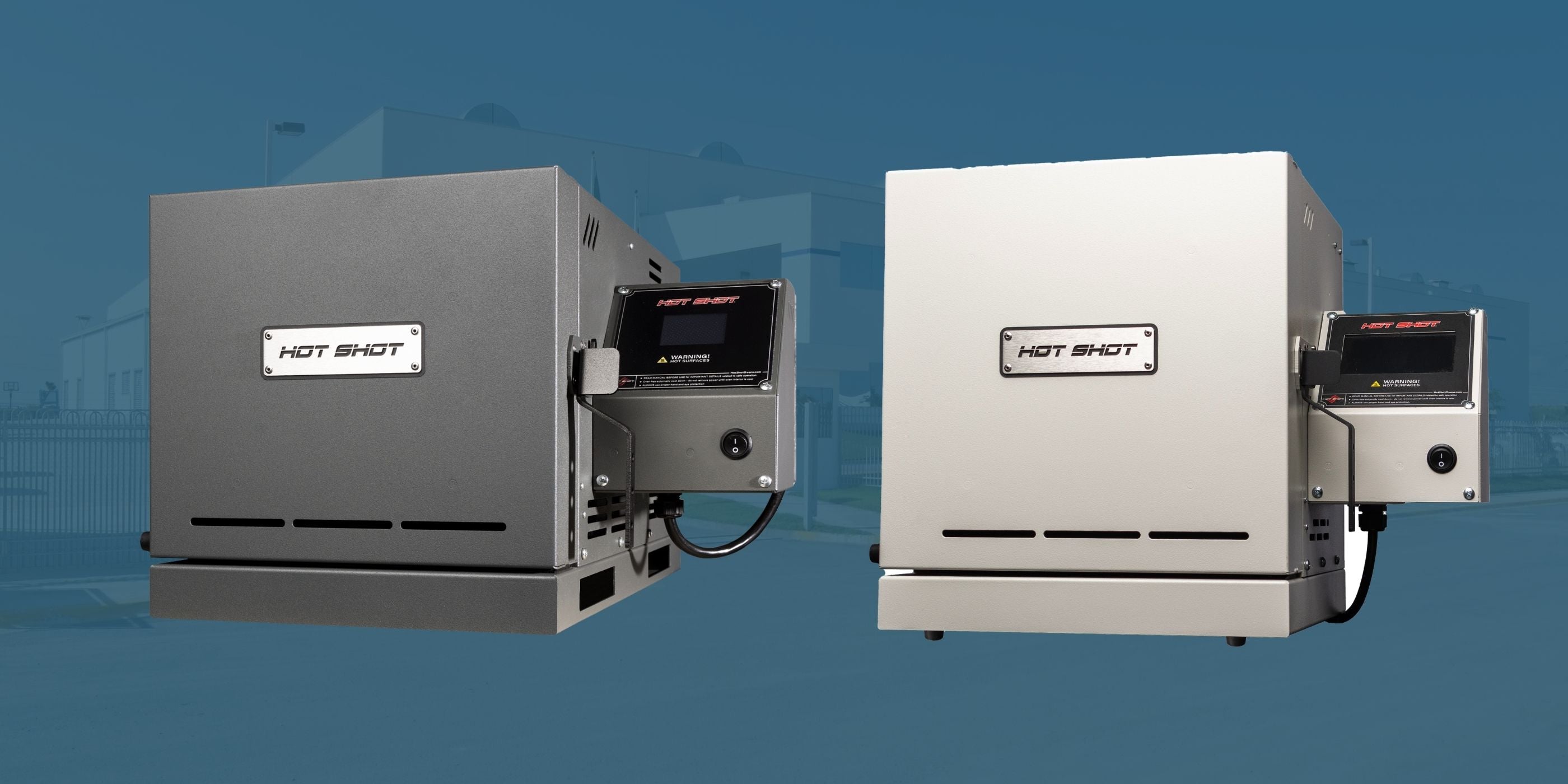
This is where compact, tabletop-capable equipment can be a strong fit. Models like the Hot Shot 18K Deep Knife Oven, Hot Shot 24K - 24” Deep Knife Oven, and Hot Shot 1200 Heat Treating Oven are easier to integrate into small-shop environments than large industrial furnace-style systems.
The goal is not just “make it fit.” The goal is to make the station easy to use over and over again.

Understand Power, Controls, and Everyday Operation
One of the most important setup questions is whether the oven helps your process stay repeatable day after day.
That is why controls matter just as much as temperature range.
According to Toews Power’s Hot Shot product information, the lineup includes features such as:
-
a solid state programmable controller
-
available WiFi and mobile app support on selected control options
-
high-grade Kanthal heating elements
-
safety-oriented control features designed for dependable operation
Those details matter because a good station is not just about heating capability. It is about reducing friction in the process.
For example, a programmable controller helps you:
-
repeat known cycles more confidently
-
reduce manual guesswork
-
build consistency from one batch to the next
-
make the station feel more like a production tool and less like an improvised setup
When planning the station, it also helps to think through practical operating questions:
-
Where will the control face be easiest to read?
-
Can you access the unit without reaching over clutter?
-
Is the station located where regular monitoring feels convenient?
-
Do you have a clean routine for loading, running, and unloading parts?
Good workflow is often a series of small, boring decisions made correctly. That is exactly what separates a tidy, productive station from one that always feels a little awkward.
Build Around Safety, Not Just Temperature

A lot of buyers focus heavily on top temperature and not enough on day-to-day safety.
In a compact workspace, that is a mistake.
The best heat treating station is one that people can use confidently and consistently.
Toews Power highlights several Hot Shot features that support that goal, including:
-
Cool-To-Touch Technology designed to keep the outer surface close to ambient conditions
-
a failsafe over-temp manual reset thermostat
-
a door limit switch
-
grounded control and shell construction
-
airflow and thermal-management features intended to improve usability
These are not just spec-sheet extras. In a garage, maker shop, or small fabrication area, they are part of what makes the station more manageable.
When building your setup, safety planning should include:
-
keeping the station away from unnecessary clutter
-
leaving room around the oven for safe access
-
making sure the support surface is stable and appropriate
-
keeping frequently used tools within easy reach
-
thinking through how hot workpieces will move through the space
A safe setup is usually a more efficient setup too. When the process feels clear and controlled, mistakes are less likely and daily use gets easier.
Add the Accessories That Support Repeatable Work

One of the easiest ways to under-plan a station is to focus only on the oven itself.
In practice, the full setup is what determines how professional the workflow feels.
That is why it is worth reviewing Hot Shot oven accessories as part of the buying process instead of treating them as an afterthought.
Accessories can help you create a station that is more consistent, more organized, and easier to scale into regular use.
Depending on the shop and application, buyers often care about things like:
-
Better handling of repeated runs
-
Cleaner staging and loading routines
-
Accessory compatibility with the chosen model
-
Making the station feel complete from day one rather than pieced together later
This is also where a setup-focused article differs from a buyer’s guide. Once someone has moved past broad model research, they usually want to know what else they need to make the oven work well in context.
That question creates a natural bridge from education to ecommerce.
Why Buy a Hot Shot Oven Through Toews Power?
The product matters, but support matters too.
When you are planning a Hot Shot heat treating oven in Canada, you are not just buying a box that gets hot. You are buying into a workflow, a space decision, and a piece of equipment that needs to fit your shop properly.
That is where Toews Power adds value.
Through its Hot Shot Ovens & Kilns page and Hot Shot collection, Toews Power gives Canadian buyers a way to compare products and move from browsing into real setup planning. The company also supports buyers with related product guidance and an accessible path to contact Toews Power when they need help.
For many buyers, that kind of support is important. Small-shop equipment purchases are rarely just about specs. They are about getting the right fit for the space, the work, and the daily process.
Frequently Asked Questions
What should be included in a small-shop heat treating station?
A good station usually includes the oven itself, stable support space, room for safe loading and unloading, and any accessories needed to make repeated work easier and more organized.
Are Hot Shot ovens a good fit for knife makers?
Yes. Toews Power’s lineup includes purpose-built knife oven models such as the Hot Shot 18K Deep Knife Oven and Hot Shot 24K, which are designed for heat treating work where chamber depth and repeatability matter.
Why does programmable control matter in a heat treating setup?
Programmable control helps make runs more repeatable, reduces manual guesswork, and supports a smoother workflow for shops that care about consistency.
Where can I buy Hot Shot ovens in Canada?
Canadian buyers can review the lineup through Toews Power’s Hot Shot Ovens & Kilns page and shop the Hot Shot collection.
Ready to Build a Better Heat Treating Station?
If you already know a heat treating oven belongs in your shop, the smartest next step is to plan the station around real workflow, not just around a product photo.
Think through space, loading clearance, safety, controls, and accessories. Then choose equipment that supports those decisions.
To explore current models, visit the Hot Shot Ovens & Kilns page, browse the collection, and review Hot Shot oven accessories. If you want help planning the right setup for your shop, contact Toews Power.